
A Birdwatcher’s Guide to Pisgah National Forest
Tucked into the lush mountains of Western North Carolina, Pisgah National Forest is a haven for bird lovers of all levels. With its rich mix of hardwood forests, rushing streams, high-elevation balds, and quiet coves, the area surrounding Pilot Cove offers an incredible diversity of bird species. Whether you’re an early-morning birder with binoculars in hand or simply someone who enjoys spotting wildlife along a hiking trail, Pisgah is a rewarding place to experience different types of birds in their natural habitat year-round.

Key Takeaways
- Pisgah Forest is home to 200+ bird species, including rare and migratory birds
- Diverse habitats—from river corridors to mountain ridges—support a wide variety of species
- Spring and fall migrations offer peak birdwatching opportunities in Western North Carolina
- Staying at Pilot Cove puts you minutes from top birding trails and scenic overlooks
Why Pisgah Forest Is a Birding Hotspot
Pisgah National Forest sits in the heart of Transylvania County, one of the most ecologically rich areas for birding in the state. More than 270 species have been recorded here, ranking 19th out of North Carolina’s 100 counties, with more than 60 species living here year-round. This kind of diversity is a direct result of the region’s varied terrain and climate.
This part of the Blue Ridge Mountains packs in a surprising amount of variety—elevations range from about 2,000 to 6,000 feet, and within a short drive (or hike), you can move from streamside forests to higher-elevation ridgelines and open meadows. These shifts in elevation and habitat create a range of microclimates, allowing different bird species to thrive side by side.
The forest also lies along the Atlantic Flyway, a major migration corridor, bringing seasonal waves of birds through the region each spring and fall. But even outside of migration season, there’s always something to spot—whether you’re intentionally birding or just noticing what’s moving through the trees on a morning walk. With so many easy-to-reach trails, overlooks, and natural areas, it’s no surprise Pisgah is a hotspot for exploring, no matter your experience level.
Types of Birds You Can Find in Pisgah
Bird diversity in Transylvania County and Pisgah National Forest is shaped by its varied ecosystems. Here’s a closer look at what you might encounter:
Songbirds & Warblers
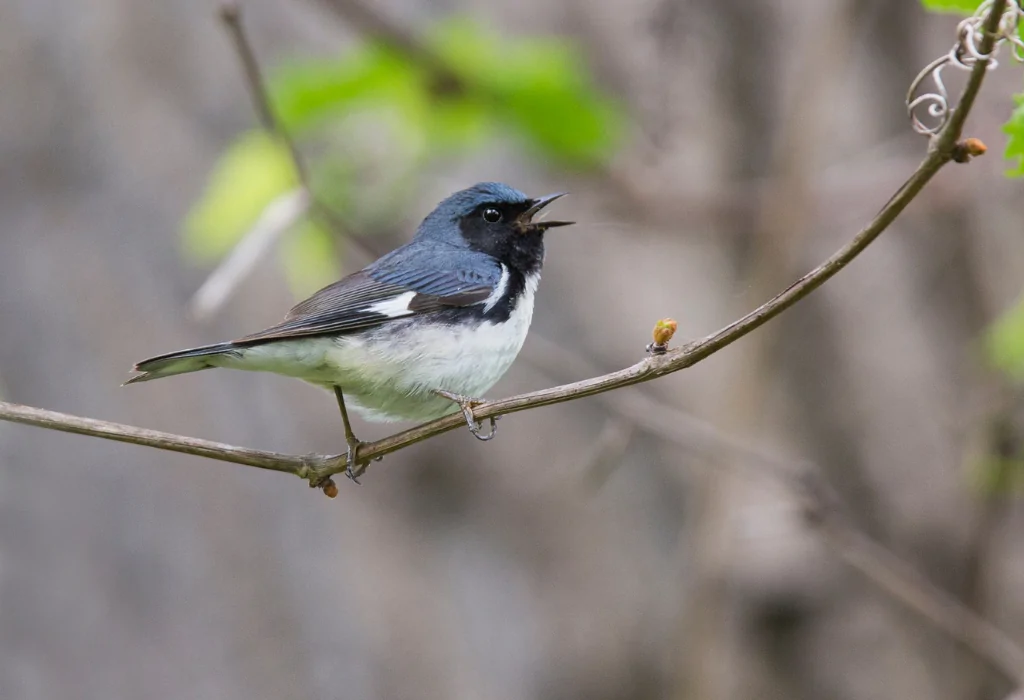
Spring and summer is prime time for warblers and songbirds, with species like Chestnut-sided Warblers, Black-throated Blue Warblers, Scarlet Tanagers, Indigo Bunting, Rose-breasted Grosbeaks, and many more filling the forest canopy and brush below with color and song.
Birds of Prey
Keep an eye and an ear on thermals and ridgelines for Red-tailed Hawks, Broad-winged Hawks (especially during migration), and Barred Owls. Lucky birders may even spot a Peregrine Falcon soaring overhead.
Woodland Birds
Year-round residents include Pileated Woodpeckers, Eastern Towhees, and Carolina Chickadees. These birds are often easier to spot in winter when leaves have fallen but can be heard echoing amongst the trees throughout the seasons.
Water-Associated Birds
Along the Davidson River and other waterways, look for Belted Kingfishers, Louisiana Waterthrushes, and Great Blue Herons.
When and Where to Look for Birds in Pisgah
Best Times of Year
- Spring (April–May): Peak migration season—ideal for warblers and songbirds
- Fall (September–October): Excellent for hawk watching and migrating flocks
- Winter: Less foliage makes birds easier to spot; look for woodpeckers and sparrows
- Summer: Breeding season brings consistent activity and birdsong
Best Times of Day
- Early morning: Birds are most active and vocal just after sunrise
- Late afternoon: A secondary activity window, especially near water
Top Birding Spots Near Pilot Cove
- Davidson River Recreation Area – A mix of forest and river habitat
- Blue Ridge Parkway overlooks – Great for spotting raptors and migrants
- Graveyard Fields – High-elevation birding with unique species
- Pink Beds – A quiet, marshy forest loop known for warblers and woodpeckers
- Devil’s Courthouse – High-elevation overlook where raptors and mountain species can often be seen on clear days
- Hospital Fields – Weedy fields crossed with ditches and wet, brushy hedgerows that is part of the NC Birding Trail , with 180 recorded species including several rare sightings
Unique Birds of the Southern Appalachians
Pisgah is one of the best places to spot birds that are closely tied to the Southern Appalachian ecosystem:
- Swainson’s Warbler – A secretive bird found in dense understory
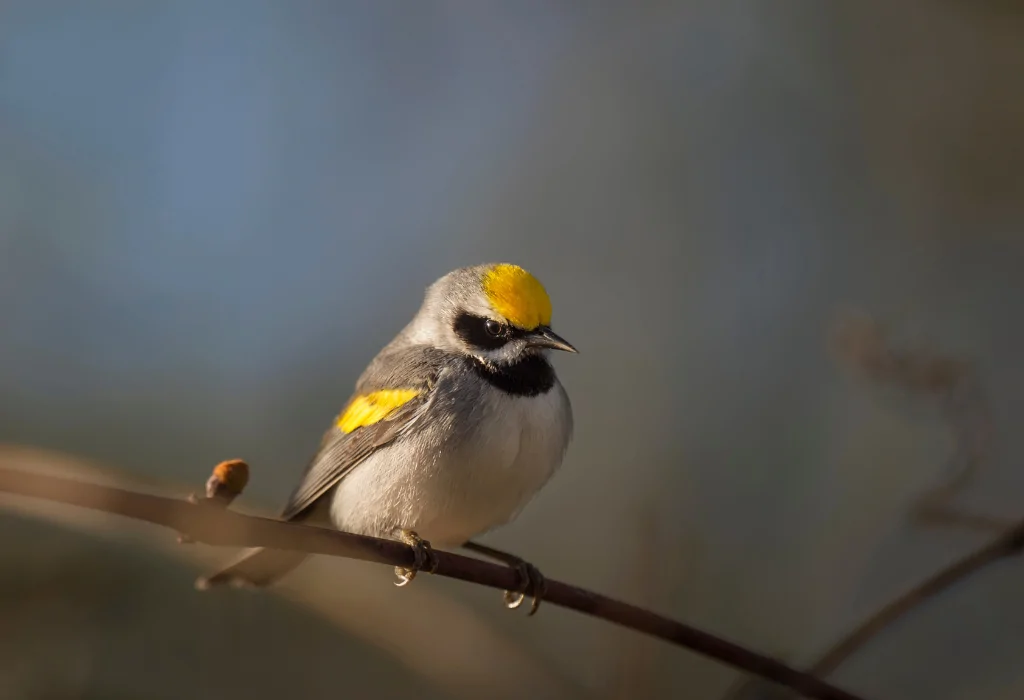
- Golden-winged Warbler – A rare and conservation-priority species
- Brown Creeper – Blends perfectly into tree bark as it spirals upward
- Winter Wren – Small, energetic, and surprisingly loud
- Black-capped Chickadee (Carolina Chickadee overlap zone) – Rare, isolated populations found in high-elevation spruce-fir forests
These species make birding in Pisgah feel like a truly regional experience that will help you check some unique species off your list.
Beginner Tips for Birdwatching in Pisgah Forest
If you’re new to birding, Pisgah is a fantastic place to start. A few tips to improve your experience:
- Start with your ears – Many birds are easier to hear than see
- Move slowly and quietly – Sudden movements can scare birds away
- Look at edges – Birds are often found where habitats meet (forest + water, trail + field)
- Bring binoculars – Even a basic pair will dramatically improve your sightings
- Dress in neutral colors – Helps you blend into the environment
Birdwatching Gear Essentials
You don’t need much to get started, but a few items can elevate your trip:
- Binoculars (8×42 is a popular choice)
- Field guide or birding app
- Lightweight backpack
- Waterproof or water resistant hiking boots
- Lightweight layers (including long sleeves and pants) for protection from insects and poison ivy
- Notebook or birding journal
- Water and trail snacks
If you want a deeper dive before you pack, check out this birding gear guide from the National Audubon Society.
Local Resources for Birders
To make the most of your birding experience, bookmark these helpful tools and organizations:
- Transylvania County Bird Club – Local outings, citizen science projects, and a welcoming community for birders of all levels in Transylvania County
- Blue Ridge Audubon Society – Guided bird walks, workshops, and local expertise
- Carolina Bird Club – A statewide birding community offering regional guides, rare bird alerts, and field trip opportunities
- North Carolina Birding Trail – Guide including 100+ sites west of I-77 approved for the mountain region
- Cornell Lab of Ornithology – Bird calls, courses, and educational content
- eBird – Explore birding hotspots and track your sightings, managed by Cornell Lab of Ornithology
- Merlin Bird ID – Identify birds by sound or photo in real time
Make It a Birding Getaway at Pilot Cove
One of the best ways to experience birdwatching in Pisgah National Forest is by staying close to the action. At Pilot Cove, you’re already right where you want to be—close to trails, scenic drives, and plenty of bird activity.
Wake up to birdsong, sip your coffee on the deck surrounded by forest, and step straight into nature. Whether you’re planning a dedicated birdwatching trip or just looking to unwind outdoors, this area makes it easy to slow down and notice the details—including the incredible birdlife overhead.